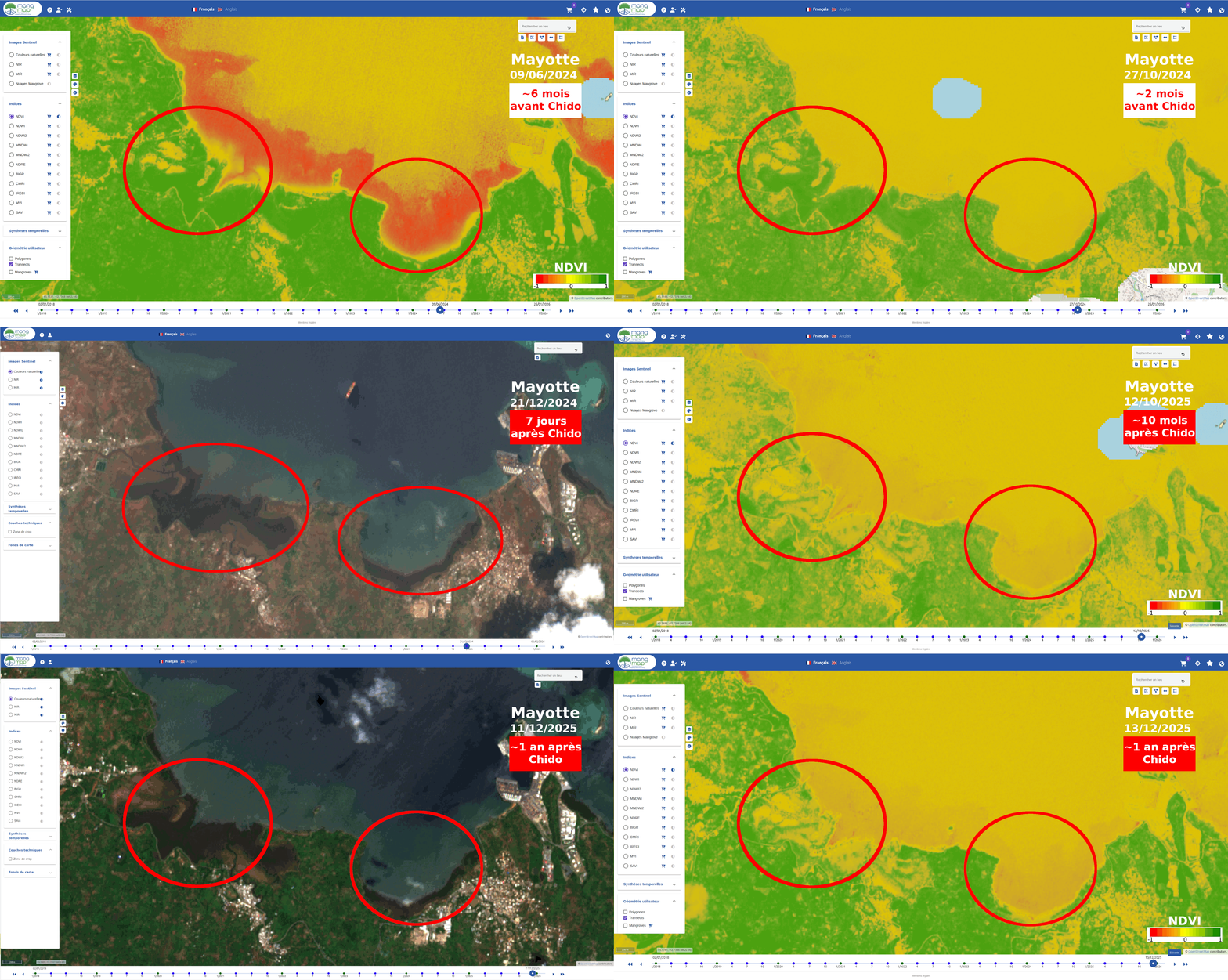
Changes in the Dzoumogné mangrove forest following Cyclone Chido on 14 December 2024
A precious ecosystem under surveillance
Spread across 29 sites, Mayotte's mangroves cover approximately 2% of the island's surface area, or around 667 hectares. This ecosystem in Mayotte is home to remarkable biodiversity: seven species of mangrove trees, nearly 21 species of birds, and is the second most popular habitat for small bats, as revealed by a study conducted in late 2015.
Today, we are observing the second largest mangrove site in Mayotte: Dzoumogné-Longoni Bay, located in the north of the island. This analysis covers the period from 9 June 2024 to 13 December 2025, documenting the impact of Cyclone Chido, which struck on 14 December 2024.
A devastating impact followed by natural resilience
The animation shows the evolution of the Dzoumogné-Longoni mangrove in natural colours and vegetation index (NDVI). The images show a sudden disappearance of vegetation immediately after the cyclone, followed by gradual reconstruction from March 2025 onwards.
What the satellite animation reveals
Cyclone Chido caused a drastic loss of vegetation, affecting not only the mangroves but also the hinterland.
Satellite images show the remarkable resilience of these environments: several months after the cyclone, the mangrove forest is showing encouraging signs of recovery. This observation highlights the importance of preserving these essential ecosystems and monitoring their evolution in the context of climate change.